 Reviewed ↗
Ram V; Sumit Kumar
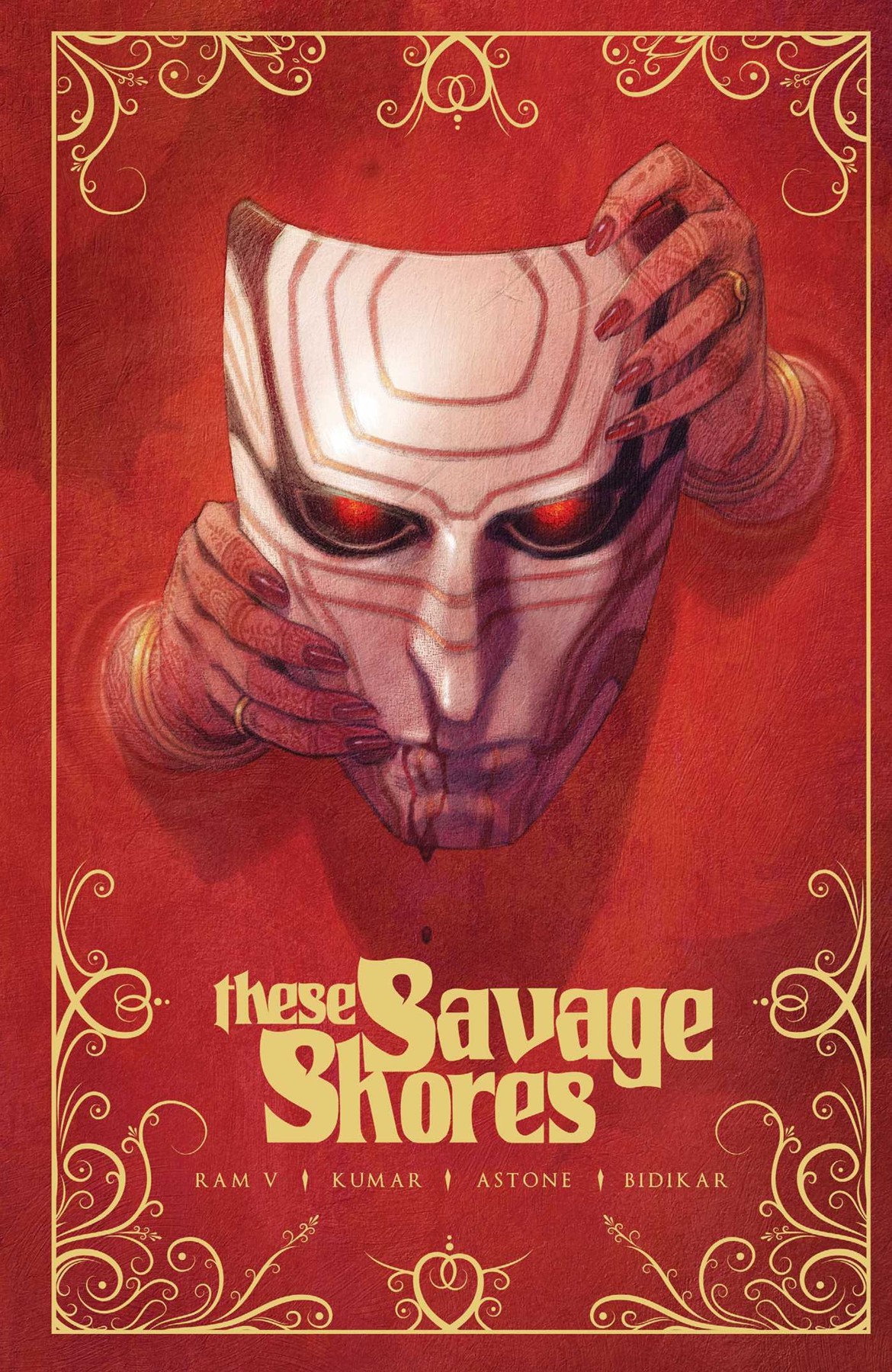
In 1766, a vampire fleeing London arrives in India aboard an East India Company ship. His search for prey brings him into conflict with Bishan, an ancient rakshasa who has made a home among the people there.
Explore book →
Tsugumi Ohba; Takeshi Obata
Mashiro and Takagi chase continued publication by revising their manga against reader-survey rankings and the threat of cancellation. Higher placement can protect a series and raise its creators’ standing, though editors retain independent judgment.
Explore book →
Yumi Tamura
Sarasa’s disguise gives revolutionary action a sustained tension between public symbol and private self.
Explore book →
Yoshihiro Tatsumi
A pianist accused of murder flees a derailed train chained to a hardened criminal during a blizzard.
Explore book →
Tsugumi Ohba; Takeshi Obata
The notebook's precise conditions invite experiments, loopholes, and deductions rather than functioning as unlimited magic. A gifted student's disgust with crime rapidly becomes unilateral judgment, exposing how idealism rationalizes power.
Explore book →
Yumi Hotta; Takeshi Obata
Matches, rankings, study, and rivalries create suspense even when readers do not understand every board position. Hikaru grows from indifference to vocation as effort and rivalry make the game personally meaningful.
Explore book →
Yoru Sumino; Idumi Kirihara
Seven Seas
The story rejects neat fatalistic timing, emphasizing chosen attention, mutual influence, and the unpredictability of every life.
Explore book →
Rumiko Takahashi
VIZ Media
Kagome's trips to feudal Japan propel episodic battles while the Shikon Jewel and Naraku sustain serial momentum.
Explore book →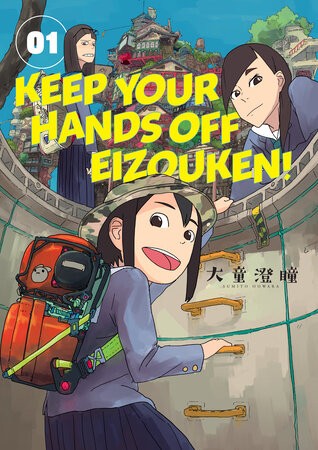
Sumito Oowara
The manga delights in design while showing budgets, schedules, equipment, and persuasion as equally essential craft.
Explore book →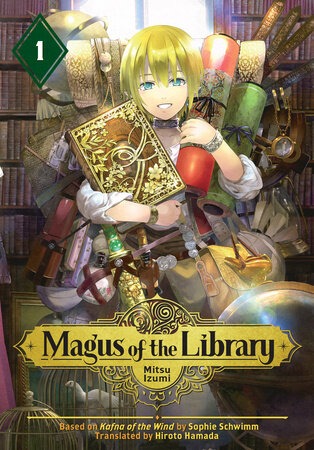
Mitsu Izumi
Theo’s hunger for books challenges ethnic prejudice and opens a demanding path toward public service.
Explore book →
singNsong; Sleepy-C; UMI; REDICE Studio
Dokja alone knows the novel governing reality, turning remembered scenarios and character arcs into precarious strategic advantages. The adaptation asks whether knowing a story means controlling its people, outcomes, or the role assigned to oneself.
Explore book →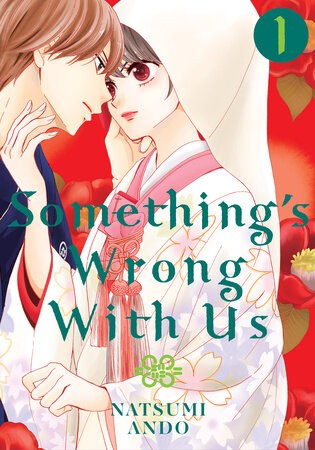
Natsumi Ando
Nao enters Tsubaki's elite confectionery household to uncover a murder that destroyed her mother's life.
Explore book →
Yōzaburō Kanari; Seimaru Amagi; Fumiya Satō
Long cases present closed suspect pools, physical clues, false alibis, and theatrical tricks before Kindaichi's reconstruction.
Explore book →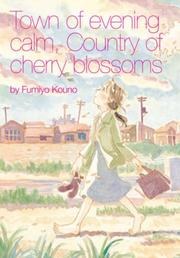
Fumiyo Kouno
Linked stories move from a survivor's postwar life to descendants carrying incomplete memories and consequences decades later.
Explore book →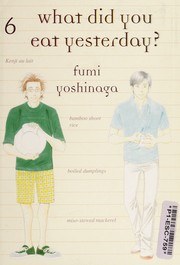
Fumi Yoshinaga
Detailed meal preparation structures chapters while budgets, work, family, and social obligations create understated stakes.
Explore book →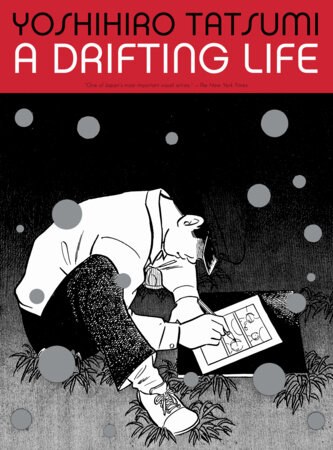
Yoshihiro Tatsumi
Drawn and Quarterly
Explore book →
Yoshihiro Tatsumi
Explore book →Ground Floor ComicsBaccano! - Shinta Fujimoto mangaCover coming soon
Ryohgo Narita; Shinta Fujimoto; Katsumi Enami
Gangsters, thieves, immortals, and innocents pursue separate agendas whose collisions continually reframe events.
Explore book →Ground Floor ComicsBlissful LandCover coming soon
Ichimon Izumi
Explore book →Ground Floor ComicsDon’t Call It MysteryCover coming soon
Yumi Tamura
Totonou's patient questions and digressions unsettle suspects until ordinary beliefs reveal contradictions and motives.
Explore book →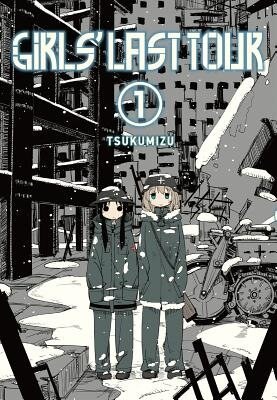
Tsukumizu
Explore book →Ground Floor ComicsHoney and CloverCover coming soon
Chica Umino
Art, employment, talent, travel, and failure force each character to discover what kind of life they can sustain.
Explore book →Ground Floor ComicsMarch Comes in Like a LionCover coming soon
Chica Umino
Professional shogi offers purpose and pressure while Rei struggles with depression, grief, and self-worth.
Explore book →
Yoshihiro Tatsumi
Explore book →