A family running through space. A life remembered in black and white. A fairy tale that turns on you. If you want to look beyond familiar superhero universes, start with the experience you want from a book.
“Indie” is a starting point, not a genre.
Readers use the word for independent publishers, creator-owned work, small-press books, and sometimes simply comics outside Marvel and DC’s superhero lines. Those categories overlap without being identical. This guide uses the broader reading intention, and flags the exception below: Daytripper was published by DC’s Vertigo imprint.
Choose a commitment that fits.
A graphic novel can be one complete story or a collection from a much longer series. The starting notes below make that distinction explicit. Pick a standalone if you want a complete evening’s read; choose a series if you want characters you can return to.
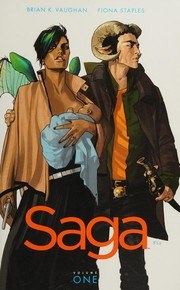
Saga makes its space opera personal through parenthood, love, and the everyday work of keeping a family alive. Choose it for imaginative worlds anchored in relationships.
Where to start
Start with Saga, Vol. 1. This is a continuing series, with mature sexual content and violence.
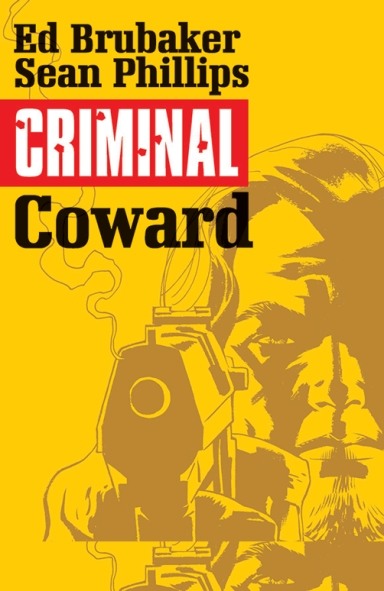
Criminal makes loyalty feel expensive. Its tension comes from people whose histories and obligations narrow their choices, with Sean Phillips’s shadows giving that pressure a physical presence.
Where to start
Start with Criminal, Vol. 1: Coward. Later stories share a world, but begin with this contained opening story.
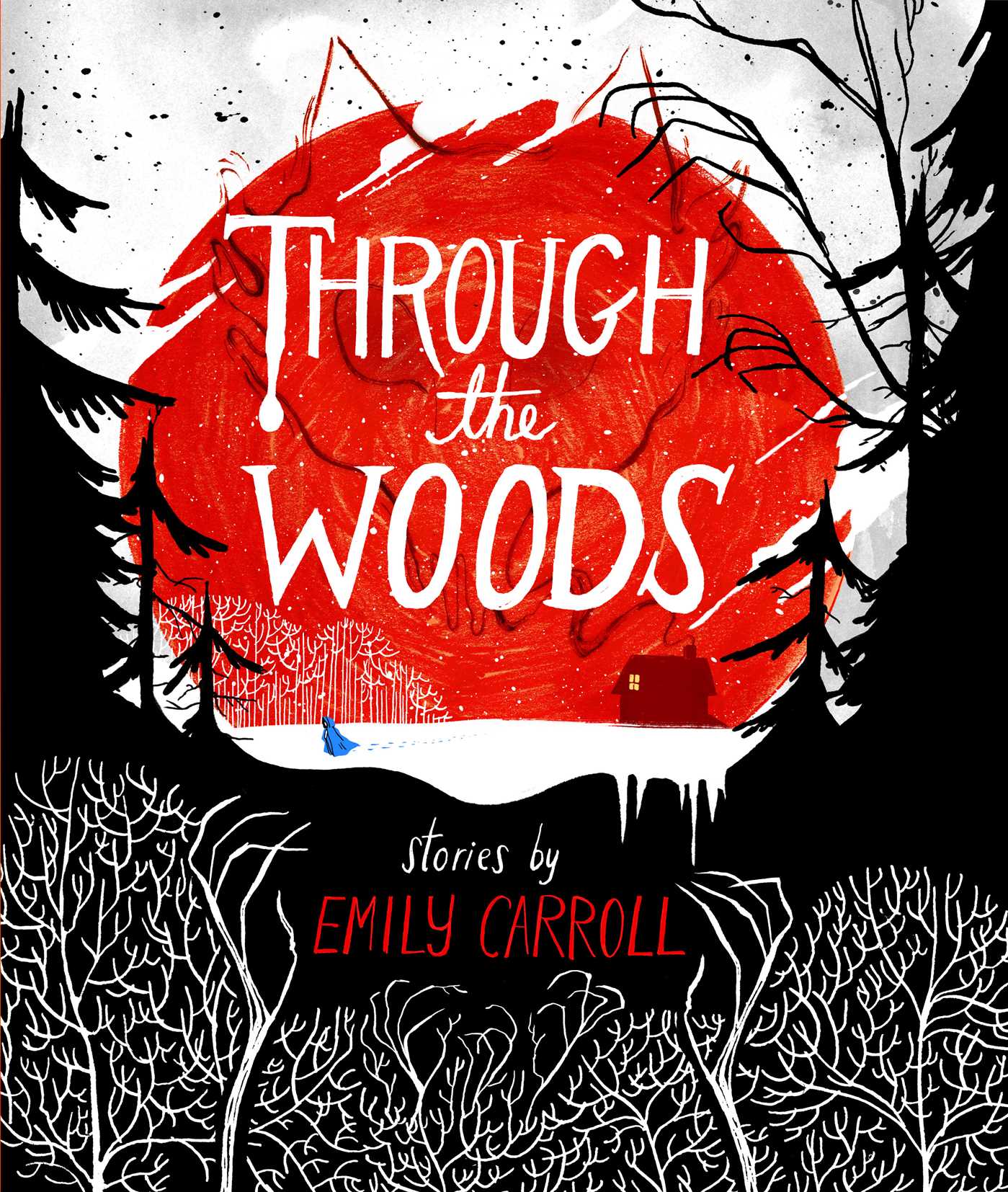
Through the Woods uses color, empty space, and the rhythm of a page turn to make a short story linger. A strong starting point if the drawing is what makes you pick up a book.
Where to start
One complete five-story collection. Read the content note in our review before choosing it for a younger reader.
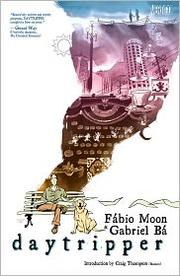
Daytripper finds its scale in the turning points of a life: family, work, love, and the possibility of losing them. Choose it when you want a reflective story you can finish in one collection.
Where to start
The complete ten-issue story is collected as Daytripper. Published by Vertigo, DC’s former imprint; included here for readers seeking work beyond superhero universes.
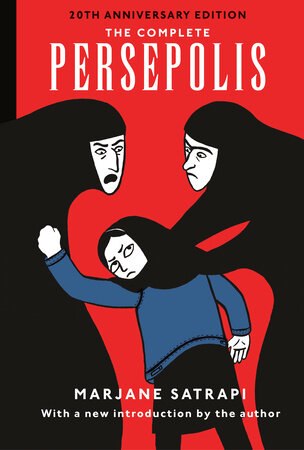
Persepolis gives political change the immediacy of a child growing up inside it. Its clear black-and-white drawing makes room for humor, anger, and the friction between public rules and private life.
Where to start
The Complete Persepolis brings together the two English-language volumes. Autobiographical; includes war, repression, and loss.
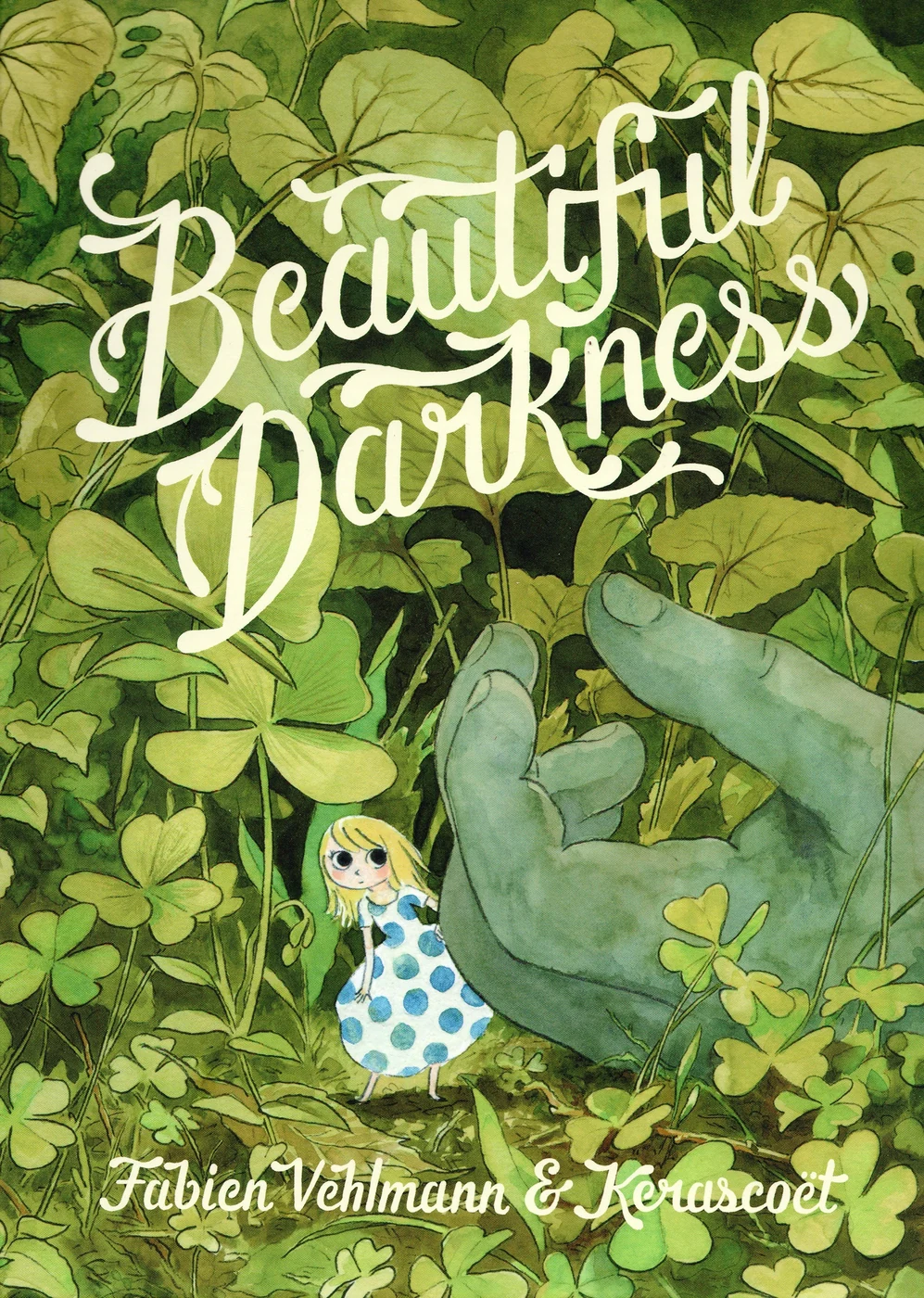
Beautiful Darkness lets inviting watercolor and tiny storybook figures carry a deeply cruel world. Choose it for the uncomfortable distance between a lovely image and what is happening inside it.
Where to start
A complete standalone graphic novel for adults. Includes death, decomposition, and violence involving childlike characters.
A creator’s approach often tells you more than a publisher logo. If the drawing held your attention, follow the artist; if you loved the voice, follow the writer. Our creator profiles connect the people, their books, and our reviews.
Keep the part you loved.
You do not have to read everything labeled indie. Follow the atmosphere into horror, the pressure into crime, or the unanswered question into mystery. For a longer route, try a curated reading path.