Reading culture
Comics Aren’t Just for Kids
So why do we still treat them that way?
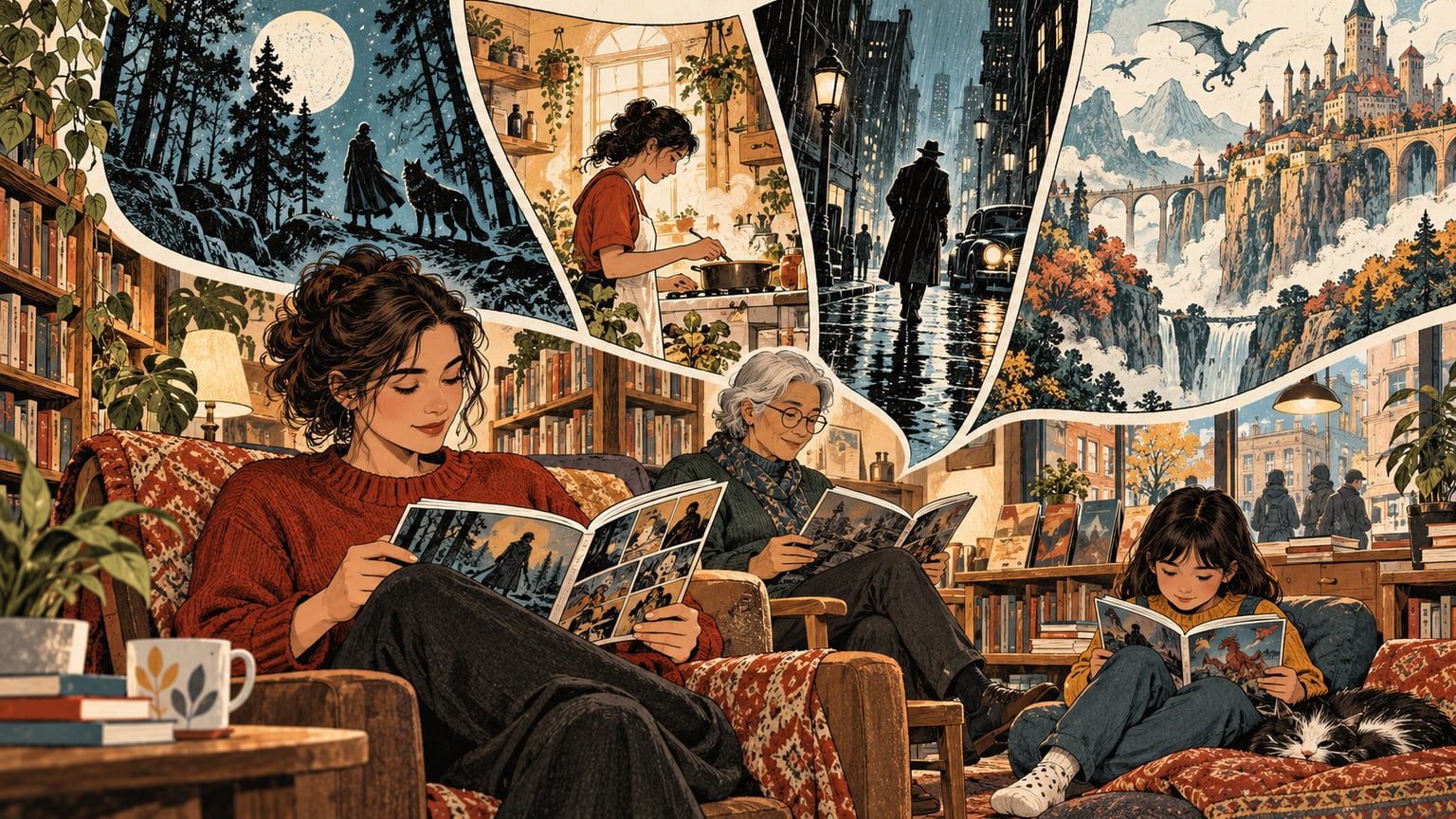
My nine-year-old daughter loves graphic novels. I’m happy she has found something she enjoys reading.
Some of the reactions I get when I mention that remind me of the stigma I remember growing up. There is still this feeling that a book with pictures needs an explanation. That enjoying it is fine, provided you eventually move on to something else.
I recognize that reaction as an adult, too. I care much less about it now, but it makes me wonder how many people have dismissed an entire medium before finding a book they might love.
Part of the answer is history. Part is familiarity. And part is an idea about reading that gives the words all the credit.
A wider view from Japan and France
It helps to look beyond the expectations we grew up with.
In Japan, manga has audiences that include children and adults. Its publishing culture makes room for different ages and interests, rather than treating the whole medium as one stage of childhood. The Japan Foundation’s introduction to manga highlights that breadth of readership. 1
In France, comics are commonly described as the “ninth art.” The country’s Ministry of Culture uses the term and has supported exhibitions and events devoted to the medium. That gives comics a visible place in the wider conversation about art. 2
Neither country has one uniform attitude toward comics. What interests me is the breadth of the starting point. When you expect comics to contain many kinds of stories, you are more likely to look for one that suits you. When you expect them to belong to childhood, you may never look at all.
The history behind the American stereotype
American comics have their own complicated history, and the controversy surrounding them in the 1950s helped shape what followed.
In 1954, psychiatrist Fredric Wertham published Seduction of the Innocent, advancing his campaign against comics and their supposed harmful effects on children. That same year, a U.S. Senate subcommittee held hearings examining an alleged connection between comic books and juvenile delinquency. 3, 4
Under that broader pressure, major publishers formed an industry association and adopted the Comics Code. Its rules restricted depictions of crime, horror, sexuality, and other subjects. The Code was an industry system of content control and approval, not a federal law. Its seal became a powerful gatekeeper in the mainstream market. 4, 5
The belief that comics were for children already existed. The Code narrowed what much of mainstream comics publishing could contain. To me, that helps explain how a limited picture of the medium could become so familiar.
The books people encounter shape their idea of what a medium is. If whole approaches to storytelling become harder to publish or find, readers can mistake the resulting selection for the medium’s natural limits.
What Maus made visible
Art Spiegelman received a special Pulitzer citation in 1992 for Maus. It is an obvious book to bring into this conversation because its recognition made the possibilities of comics difficult to dismiss. 6
Maus brings together his father’s experiences of the Holocaust, the act of recording those experiences, and the relationship between father and son. Its visual choices are part of how we encounter memory, identity, and the difficulty of telling another person’s story. 7
The book rewards attention to how it is drawn and arranged, as well as to what is said.
I understand why people point to it when someone questions the seriousness of comics. I also think there should be room in that conversation for the comic that made someone laugh, frightened them, or kept them company during a difficult week.
A book can matter to a reader without winning a prize. Enjoyment is a good enough reason to pick it up.
Reading happens in the artwork
One reason I keep returning to comics is the amount that can happen before anyone speaks.
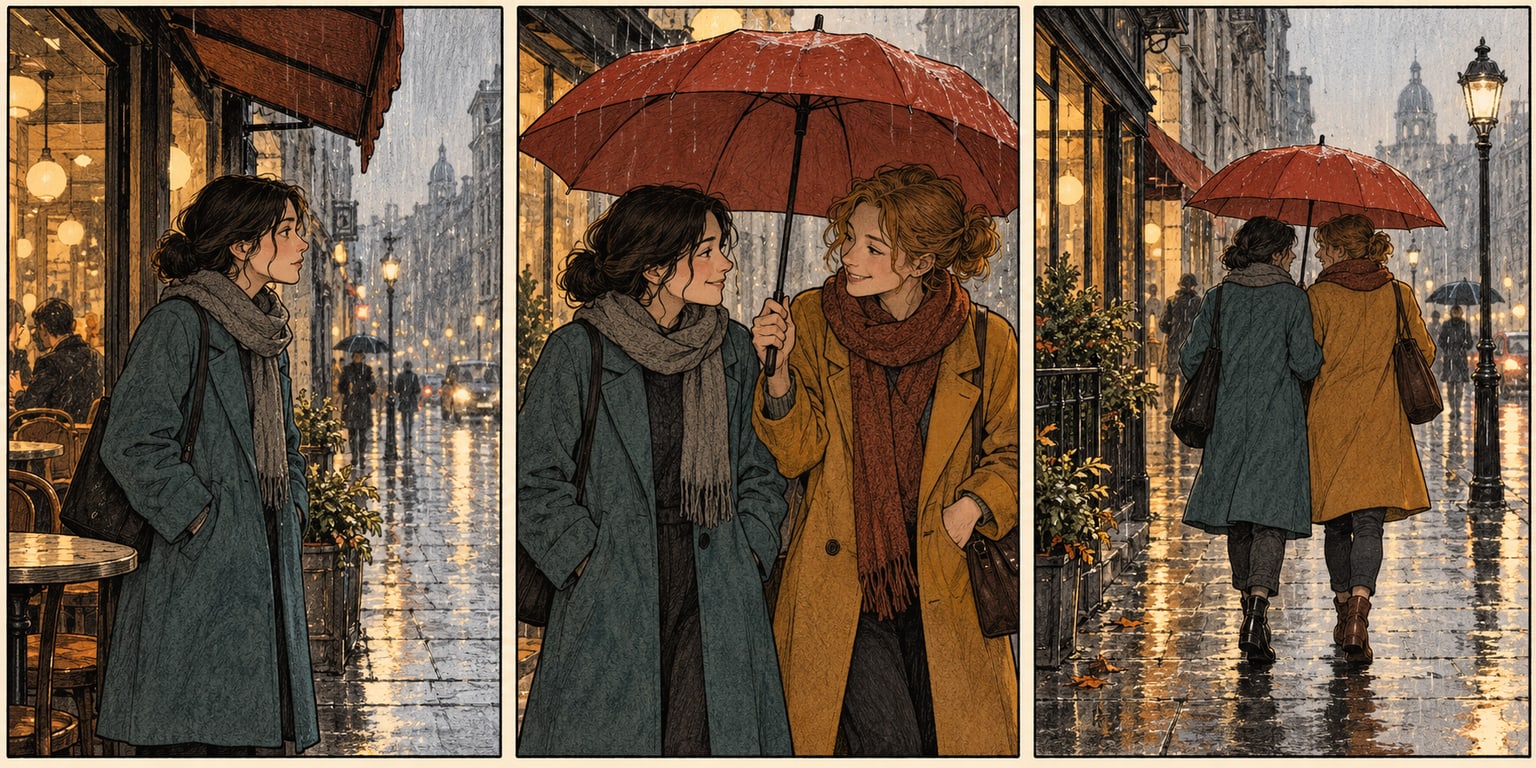
A face can complicate a line of dialogue. A room can tell you who feels comfortable and who wants to leave. A small figure surrounded by empty space can make a page feel lonely.
Then there is the movement between panels. You see one moment, then another, and make sense of what happened in between. You notice what has changed. You carry details forward. Sometimes a later image sends you back to reconsider an earlier one.
The arrangement of the page also shapes its pace. Several nearly identical panels can stretch a few seconds into an uncomfortable wait. A page turn can hold back an image until you move forward. Color can establish a feeling that the dialogue never names.
Following those choices is part of reading the book.
This is also why I dislike the assumption that pictures somehow disqualify a child’s reading. A young reader has words, expressions, actions, and sequences to make sense of. They can become attached to characters, anticipate what happens next, and decide which details deserve another look.
And sometimes they simply enjoy it. I’m glad my daughter has that.
Comics are a medium, not a genre
“Comics” tells us something about how a story is presented. It leaves an enormous amount open.
The story might be a romance, a memoir, a mystery, a family comedy, or a nightmare. It might be written for a young child, a teenager, or an adult. It might take ten minutes to read or accompany you across years of your life.
That is why “I don’t like comics” always makes me curious. Which ones? What did you dislike? The subject, the dialogue, the artwork, the pacing?
Those are useful questions because they give you somewhere to go next.
Someone who dislikes a particular superhero book might love a quiet family story. Someone who wants a tense crime plot might have little interest in an epic fantasy. Readers make those distinctions with prose and film all the time. Comics deserve the same space for individual taste.
Children’s comics belong in that range, too. Their readers have no obligation to hurry past them. An adult’s comic can be funny, warm, romantic, or gentle. Darkness and difficulty are choices a book can make, rather than requirements for taking it seriously.
Start with something you already love
For an adult curious about comics, I would start with the kinds of experiences you already seek out in books, films, or television.
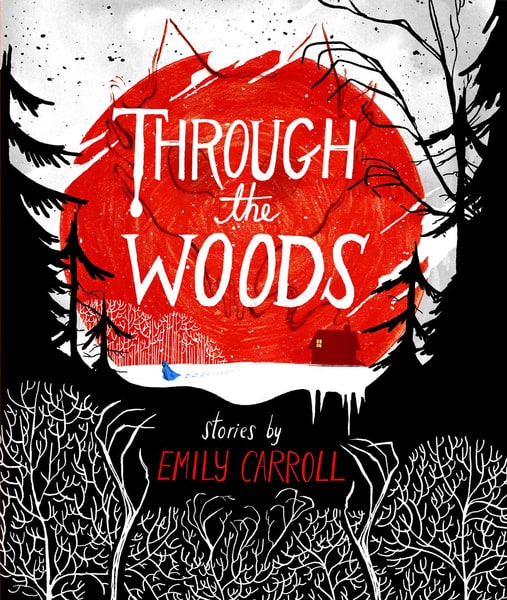
If you love the unsettling logic of fairy tales, try Through the Woods. Its colors, lettering, and page compositions are part of the unease. It is a good example of how a comic can make you nervous about the act of looking.
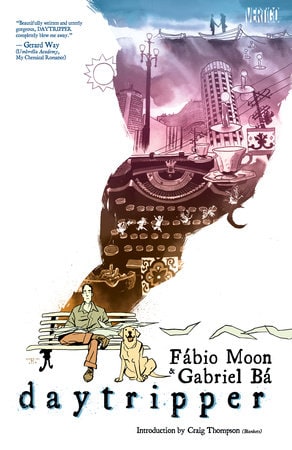
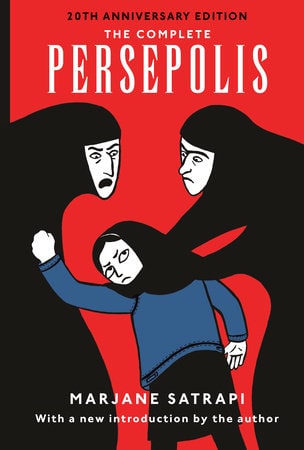
For noir and people making difficult choices, begin with Criminal, Vol. 1: Coward. If you would rather spend time with family, memory, and the turning points of a life, look at Daytripper. For autobiography and a personal way into history, consider The Complete Persepolis.
These are starting points for adult readers, with different subjects and content to consider. Our indie comics guide explains more about each book and where to begin. You can also follow a genre, from romance and slice of life to mystery or science fiction.
That is part of what I want Ground Floor Comics to be: a place to find a book through the things you already care about, then discover something you didn’t know you were looking for.

Whatever you love to read, there’s a comic for it. You might just not have found it yet.
Sources & further reading
The historical references behind this article. Personal observations and discussion of visual storytelling are my own.
- The Japan Foundation: Manga culture in Japan
- French Ministry of Culture: Bande dessinée
- Library of Congress: Seduction of the Innocent
- Law Library of Congress: The Senate Comic Book Hearings of 1954
- U.S. Capitol Visitor Center: The 1954 Comics Code
- The Pulitzer Prizes: Art Spiegelman, 1992 Special Citations and Awards
- Penguin Random House: The Complete Maus
About the images
The opening illustration and wordless umbrella sequence were created with AI for this Ground Floor Comics article.
Book covers remain the work of their respective creators and publishers: Through the Woods, Emily Carroll (Margaret K. McElderry Books); Criminal: Coward, Ed Brubaker and Sean Phillips (Image Comics); Daytripper, Fábio Moon and Gabriel Bá (Vertigo); and The Complete Persepolis, Marjane Satrapi (Pantheon).
Adapted from the Ground Floor Comics Instagram carousel, “Comics Aren’t Just for Kids.”