A face worth waiting for
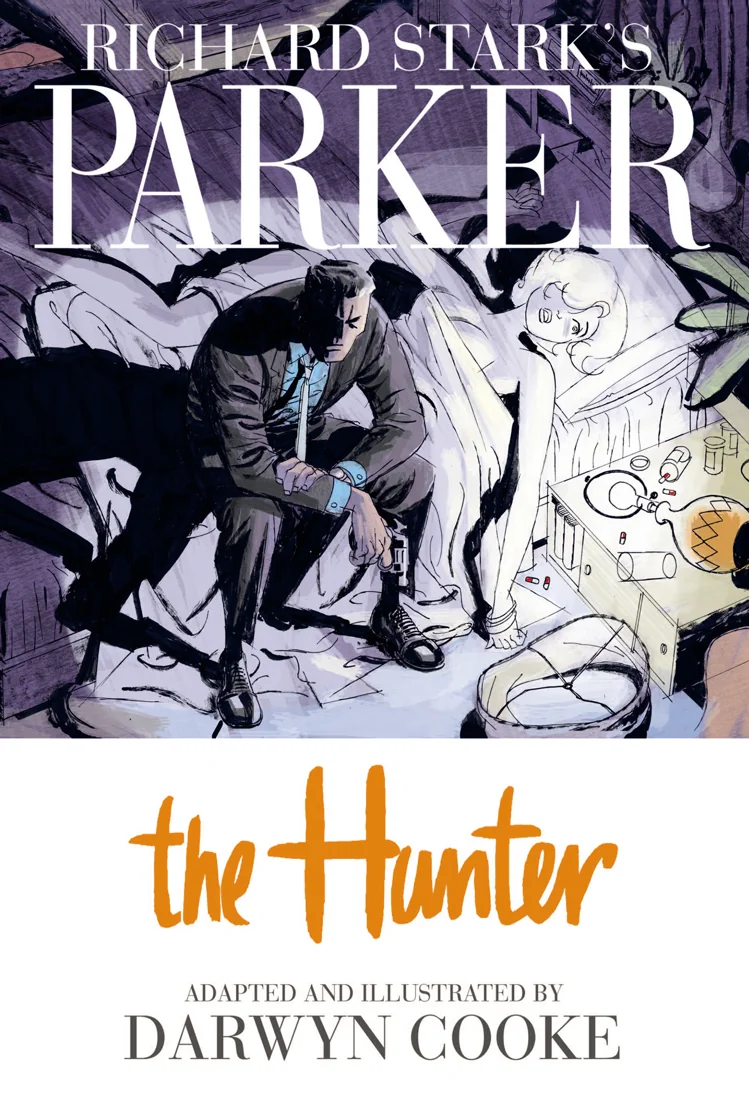
Cooke introduces Parker through the damage around him. His shoes and clothes are falling apart. People look at him as he walks into New York. We see what he needs and how quickly he finds ways to take it. His face comes later, in a bathroom mirror, when he has already started putting himself back together.
There is barely any dialogue to carry that opening. The movement from a street to a pocket to a room does the work. Watching somebody acquire clean clothes and enough money to function ought to be routine. Cooke makes each step a small reason to keep turning the page.
Forty-five thousand dollars
Mal Resnick has used the stolen money to buy his way back into the Outfit. Parker wants his share. Their reach across the country, their employees, and their influence are supposed to make that request sound absurd. Parker hears a list of resources they could use to pay him.
I caught myself doing their accounting. They have the assets. He wants a specific amount. Surely paying him would cost less than letting this continue. That is the joke and the trap: Parker is the reason the bill keeps getting bigger. His confidence is enormously entertaining, even when his presence makes everyone else’s life worse.
The people who give everything away
Parker does very little with his face. Cooke gives the people opposite him nervous smiles, tight hands, and the pause when a threat starts to seem like a mistake. The conversations are almost as good as the fights because you can watch a room discover how badly it has misjudged him.
Black ink and blue-green wash keep the spaces readable without making them empty. A few lines establish the posture; a patch of darkness gives it weight. When violence breaks the conversation, it is fast and easy to follow. You don’t have to decode the action before feeling its consequences.
A routine he can’t get back to
Parker says he wants his old life: work when he needs money, spend the rest of his time somewhere comfortable. Recovering that routine begins to look less important than refusing to let the betrayal stand. The precision of his methods sits beside a stubbornness that keeps the whole thing moving.
That tension is why the book stayed with me. I admired Cooke’s control and wanted to follow Parker into the next scene. I also kept noticing the people who never chose to become part of his problem. Being innocent offers them very little protection.