
Comics for Halloween · Part 30
Clean Room
Astrid Mueller looks like a cult leader because she is one. The uncomfortable part of Gail Simone’s horror comic is what happens when you begin to believe she may also be right.
Gail Simone · Jon Davis-Hunt · Walter Geovani · Sanya Anwar · Quinton Winter · Todd Klein
Suicide, coercion, cult abuse, graphic violence, and body horror. This review discusses the setup and visual approach without explaining the ending.
Narrated with on-screen captions. Artwork belongs to its respective creators and rights holders.
Inside the book
After her fiancé’s involvement with Astrid Mueller’s organization ends in tragedy, Chloe Pierce sets out to expose its leader. The investigation draws her toward creatures Astrid claims to understand and a war that makes her methods harder to dismiss.
Find your next read after Clean Room →
Read the video transcript
The hero of this horror comic runs a cult. And honestly? I’m still not sure we should be rooting for her. Chloe Pierce’s fiancé joined Astrid Mueller’s organization. One day, they sent him a video. It only plays once. He watched it… said, “Turns out I don’t want to know”… and reached for a gun. That’s Clean Room. On paper, Astrid is every cult leader you’ve ever watched a documentary about. Bestselling books. Celebrity followers. People who know how to make people cooperate. But she isn’t selling enlightenment. She’s recruiting soldiers. Astrid can see things most people can’t. Things that ride people. Wear them. And use them to do horrible things. Chloe goes in to expose her. Instead, she starts seeing them too. And that’s what makes this book so uncomfortable. Astrid is right. She’s still terrifying. Someone shoots her in the heart. A creature crawls inside her and pulls the bullet out. She thanks it. Then she has it electrocuted. So… would you follow her? She’s fighting a war against hell itself. Mostly over Earl Grey. Jon Davis-Hunt can make a conversation over tea feel threatening. Then something with too many mouths crawls into the panel. The pages are so bright and clinical, there’s nowhere for your eyes to hide. Is it perfect? No. The first issue sprints, and the art changes hands for the final stretch. But it’s eighteen issues, collected in three volumes. And the question it leaves me with isn’t whether Astrid is right. It’s how much I’d let her get away with once I believed she was.
Watch next
All video reviews → ▶ 2:14
Comics for Halloween · Part 29
Witch Doctor
Dr. Vincent Morrow treats monsters as medical problems. Brandon Seifert and Lukas Ketner make the diagnosis inventive, disgusting, and far too much fun for a series that only reached two volumes.
Watch review →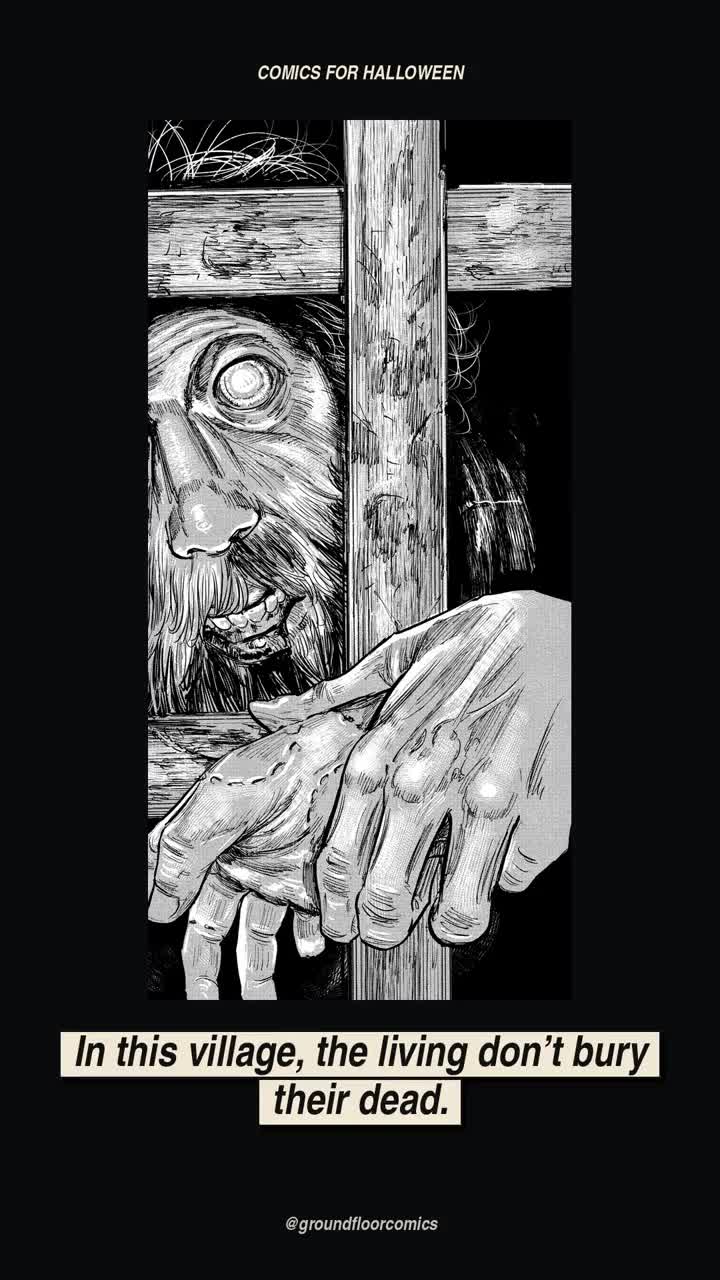 ▶ 1:40
Comics for Halloween · Part 28
Gannibal, Vol. 1
A new village, a missing policeman, and a welcome that can turn threatening in a sentence. Masaaki Ninomiya makes the smiles as frightening as the violence.
Watch review → ▶ 1:47
Comics for Halloween · Part 27
Blood on the Tracks, Vol. 1
Shuzo Oshimi makes an ordinary gesture last long enough to become frightening. The first volume of this psychological horror manga asks you to watch a mother’s face as carefully as her son does.
Watch review →