The person you are supposed to feel safe with
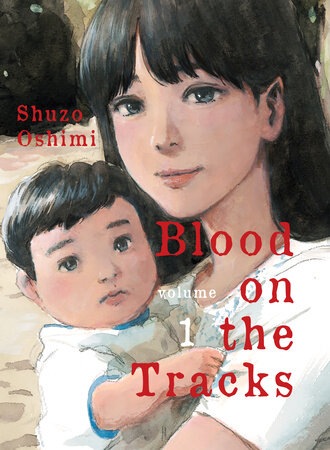
The scariest image in this manga is a mother smiling. That is the feeling at the center of Blood on the Tracks, Shuzo Oshimi’s slow-burning story about Seiichi and his mother, Seiko.
At first, the closeness can look ordinary. She fusses over him and touches his face. The family notices and teases her for being overprotective. These are gestures it would be easy to explain away.
But this is also the person Seiichi is supposed to feel safe with. That need makes the small changes in her expression matter. Recognizing something frightening in a stranger is one kind of fear. Recognizing it in a parent asks something much harder of a child.
What an expression can hold
Oshimi keeps lingering on things most comics would move past. A look lasts a little too long. A hand rests on a face. A smile becomes something you suddenly find yourself studying.
The pages teach you to watch Seiko as carefully as Seiichi does. Her face can fill the frame while the scene waits for you to decide what it means. His reaction makes that uncertainty visible without resolving it.
If you grew up with a parent who loved you a little too tightly, that watchfulness may feel familiar. The opening lets affection and unease occupy the same gesture.
When the forest gets bigger
Then the family goes hiking. The dialogue thins out and the forest gets bigger. A setting that should offer a pleasant day together starts to make the people inside it feel small.
There is a moment of danger involving Seiichi’s cousin Shigeru. For a moment, it looks as though everything will be all right. The volume’s tension depends on how long that reassurance can last, and I would rather leave the decisive turn for the book.
The shift works because Oshimi has already made us pay attention. The family has a way of explaining Seiko’s behavior; Seiichi has a need to believe that explanation. The images begin to ask more of both.
The beginning of a much longer story
For much of Volume One, the discomfort can still be explained away. Then the book makes that harder. The horror grows out of what Seiko’s love is becoming, and out of her son’s position inside it.
Oshimi does not need to rush past the face to get to the frightening part. The face is where the frightening part develops. Pauses, close-ups, and the distance between one expression and the next do the work.
The complete series runs seventeen volumes. This first book is a place to begin, with the understanding that its most disturbing questions are only opening up.