A mission that needs more than a spacesuit
An asteroid will hit Earth in thirty-three days. There is a huge occult symbol carved into its surface. Then it starts talking, transmitting a signal in Enochian, the so-called language of angels.
The team sent to stop it brings along Nameless, an occult hustler who steals objects from dreams and knows his way around ancient magic. One look at that symbol tells him this is a problem no astronaut was trained for.
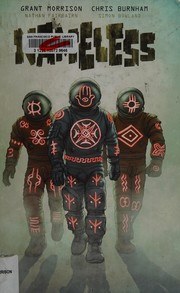
Before the crew reaches the asteroid, he starts painting protective symbols across their spacesuits. Oxygen and radiation shielding suddenly seem like an incomplete list of things a person might need.
The person who is supposed to understand
At first, Nameless feels like the one person who understands the threat. The deeper the mission goes, the harder it becomes to know whether he can save anyone or whether he should ever have been trusted.
Dreams bleed into memories. Memories bleed into the present. Waking up from a nightmare does not guarantee that anything has changed. Exploration starts feeling like trespass, and the question shifts from stopping an impact to trusting a single thing in front of you.
Morrison throws occult mythology, Tarot, ancient gods, and esoteric terminology into that uncertainty. There are moments when you may wonder what you have just read. For me, that confusion becomes part of the horror, though it can also be the point where the book loses a reader.
The pages stop feeling stable
Chris Burnham’s artwork becomes more unstable as the story does. Pages fracture and images repeat. Bodies and architecture start feeling like pieces of the same nightmare.
Nathan Fairbairn colors some of the most grotesque imagery with vivid reds, blues, and greens. The brightness makes those scenes more disturbing. You can see what is happening; making sense of it is another matter.
The spacesuits make a useful early example. Their protective symbols turn familiar equipment into evidence that the crew is already facing something its technology cannot contain. The visual warning arrives before the mission has properly begun.
Ferocious, with a cost
My biggest criticism is that all of those ideas sometimes leave the characters behind. Outside of Nameless, several people feel more like pieces of the nightmare than people you come to know.
That limits the emotional connection even as the imagery becomes more overwhelming. A reader looking for a clear cast and a stable route through the plot may find the book exhausting.
But this thing is ferocious. It keeps taking away the explanations that might have made it comfortable. The uncertainty can be part of what lingers after the final page.