A new home, and the past inside it
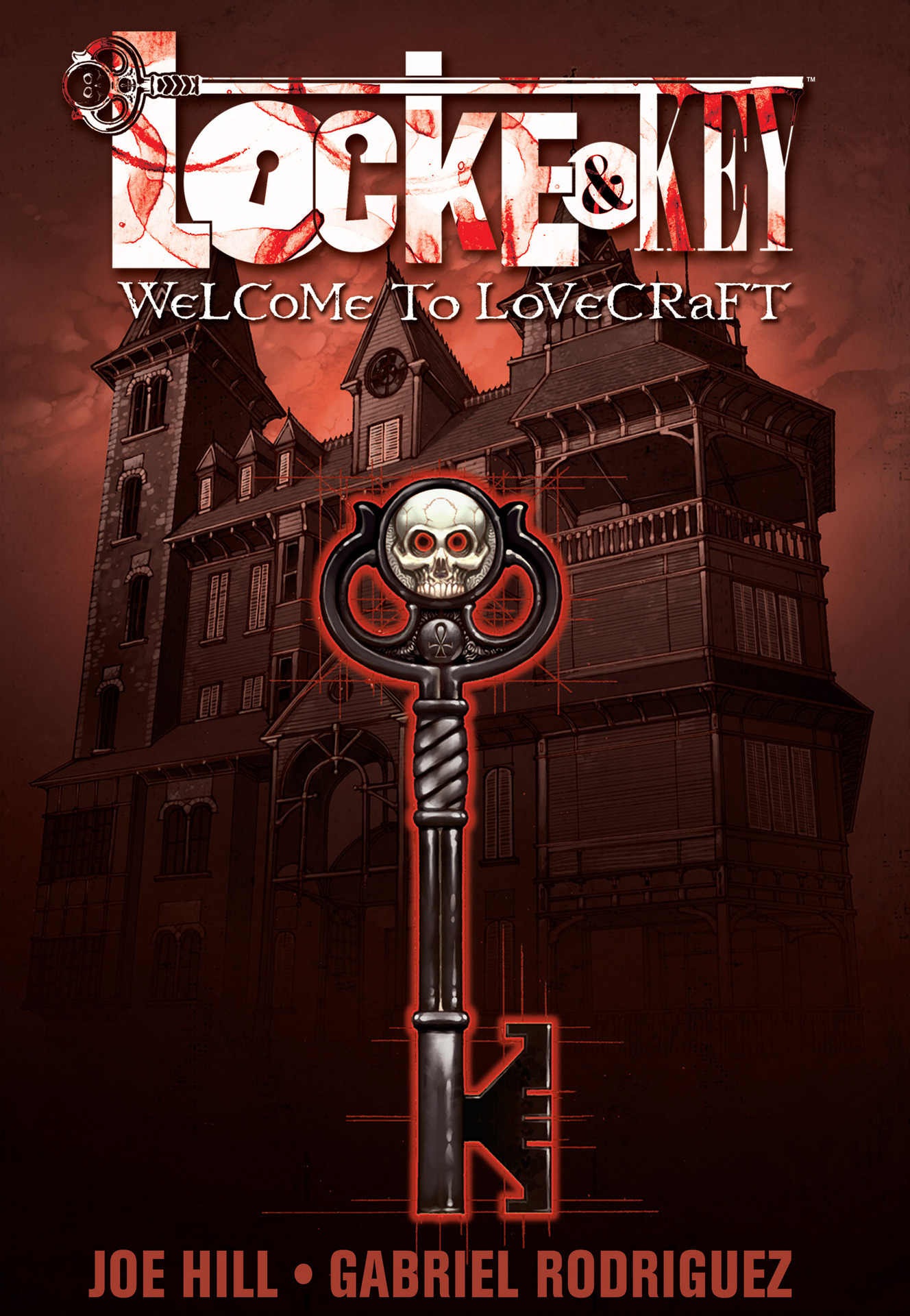
The Locke family arrives at Keyhouse after a murder. Their father is dead, and his childhood home is supposed to offer somewhere to begin again. For the youngest child, Bode, that means strange doors, places to hide, and things the grown-ups do not understand. For Tyler and Kinsey, feeling safe anywhere is more difficult.
Tyler looks down at his reflection in the water. Rodríguez shows him covered in blood, still holding the gun from the attack. His sister is speaking to him in the present, but the image shows where he sees himself. The story can move the family to a different house without pretending the violence has stayed behind.
“The story can move the family to a different house without pretending the violence has stayed behind.”
That is what gives the mystery its weight. Keyhouse is fascinating, and I want to know what its doors can do. But I also want it to be a place these children can live without another terrible thing happening to them. Each new secret puts those wants a little further apart.
Kinsey tries not to be seen
Kinsey changes her hair and tries to blend in at school. When another girl invites her to run together, she makes excuses. Spending time with someone might mean talking, and talking might lead back to the life she is trying to keep out of view.
A page places the memory of hiding during the attack beside her walk to school. The rule that kept her alive was simple: do not be heard, do not be seen. Now she is trying to get through an ordinary school day by following it. The alternating images let the reader feel how little distance there is between then and now.
Hill gives the siblings different ways of moving through the same loss. Kinsey’s attempts to disappear sit beside Bode’s eagerness to explore. Neither response cancels out the other. Their shared home contains very different experiences.
A ghost that makes you want to explore
Bode is frightened when he first discovers the ghost door. Then he starts having fun. He can leave his body behind, explore unseen, and even startle his older brother. Rodríguez draws the ghost in curling, translucent shapes; Fotos gives it a pale glow against the muted rooms. The house feels full of possibilities.
The staircase image captures that feeling particularly well. Bode’s ghost sweeps through a space his family is using in more ordinary ways. The diagonal view lets us look down through the house with him. After pages where memory interrupts the present, here is an impossible experience that briefly feels liberating.
Bode also connects the discovery to something Tyler told him about their father: he was not still inside his body when it was cremated. Bode thinks that showing his siblings how much fun being a ghost can be might make them less sad. He has found something impossible and wants to use it to help his family. That makes the magic moving as well as exciting.
The voice at the bottom of the well
Bode’s curiosity also makes him willing to listen. The voice in the well knows things about Keyhouse, and it has a connection to the violence the family escaped. The same openness that makes his discoveries joyful leaves him vulnerable to someone who knows more than he does.
That tension is what makes this first volume work for me. Every discovery gives you another reason to turn the page, but you care about the children opening those doors. You want the house to offer them safety. Each new secret makes that harder to believe.
Start with Welcome to Lovecraft, the first six issues of Locke & Key. It opens a larger story rather than finishing the whole mystery. For a Halloween read, choose it when you want a haunted house you can keep exploring—and a family whose reasons for staying matter.