He remembers the food
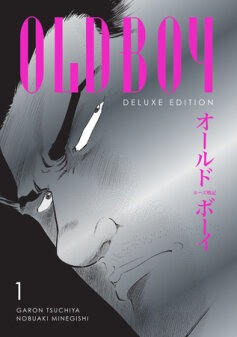
Somebody keeps Goto alive in a room for ten years. When he gets out, one of the first leads he can follow is the Chinese food delivered to him there. He tries restaurant after restaurant, hoping to recognize the cooking.
I love that his miserable routine now gives him something to work with. I also kept wondering how much of his next move had already been anticipated. The man responsible keeps calling and setting conditions, even after Goto walks free.
A night sky after ten years
Minegishi has kept us looking at the bed, the television, and the door where the food comes in. Then Goto gets outside and suddenly there’s an enormous night sky. The release feels physical because the room has had time to become familiar.
Later he eats, smokes, and watches people. You can see his face soften, then watch him start assessing the room when someone wants a fight. The pleasure he takes in being alive matters as much to me as how dangerous he can be.
Why the motive stays with me
Park Chan-wook’s film gives you a motive you can grasp immediately. The manga asks you to spend time with a grievance whose explanation can seem absurd. Something Goto barely remembered became the thing another man built his life around.
The punishment feels wildly out of proportion. That’s what makes the ending work for me. Goto loses ten years and still finds things to enjoy. The man who held him was free that whole time and spent it feeding the same resentment.