A retirement plan with unfinished business
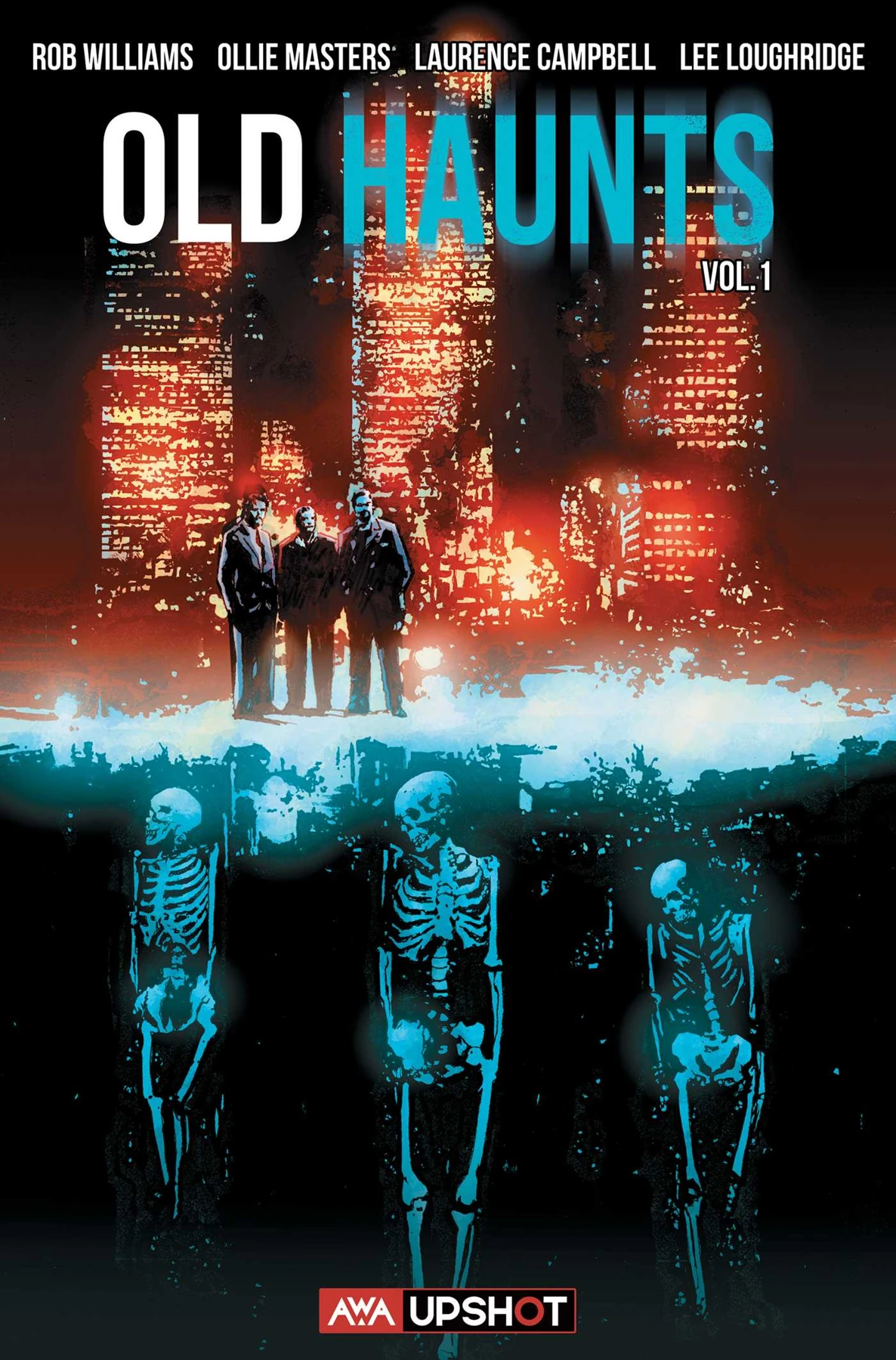
Three old gangsters are about to retire. They have a buyer for the business and enough money to walk away. For Alex, leaving means the possibility of becoming someone else. Then he looks in the mirror and sees his father.
His wife tries to reassure him by saying that his father could never have done what he has done. She means it as comfort. Given the life Alex has led, it lands like an accusation. Ollie Masters and Rob Williams find a lot of unease in that gap between what these men want to hear and what their history makes possible.
During a drive through Los Angeles, the others tease Alex about wanting to repent. A familiar face changes. A vulture comes through the windscreen. An ordinary conversation between men who know one another too well has become something none of them can trust.
Fear follows him home
After Primo turns violent, Alex worries that his family could be in danger. He goes home and tells his wife to get the children. He is holding a gun. She has to tell him that he is scaring them.
That scene gets at what makes these men difficult to follow. Alex wants to protect his family, and he brings the terror home himself. I can feel his panic while worrying about what he might do to someone else.
Their long friendship has the same problem. They have spent decades together, accumulating loyalty, familiarity, and things they would rather keep buried. As the pressure rises, the shared history gives them more reasons to fear one another. I like how dangerous that bond feels even before you put the dead in the room.
Look at the faces, then at the light
Laurence Campbell gives you just enough of a face to start looking for what is missing. An eye catches the light. A mouth disappears into shadow. After that first change in the car, every close-up feels like something worth examining.
Lee Loughridge cuts blue, pink, and orange reflections across the windscreen. Los Angeles looks vivid and inviting from a distance, but the light does little to reassure you once you are inside the car with these men.
Campbell also breaks memories into narrow fragments, placing family photographs beside violence. A face or a gesture arrives without giving you the comfort of a complete picture. The layout makes their history feel close enough to interrupt the present.
Then Loughridge pushes the page toward an almost blinding brightness. You have been trying to see into the shadows, and suddenly the light becomes the thing you cannot read. There is something standing inside it.
What does regret ask of them?
The question I kept returning to was whether these men regret what they did or fear what it is going to cost them. Their panic does not settle that question. Neither does their wish to leave.
Old Haunts is complete in five issues, collected in one volume. Its haunted crime story has room for sudden violence and striking images, but the friendship is what gives those moments their pressure. Getting out is not the same as getting away with it.