People already hurting
Ice Cream Man has some deeply disturbing images, but the fear often starts before anything supernatural happens. A couple struggling with heroin addiction still talks about getting clean and moving to Arizona. A musician is a one-hit wonder who never had another hit. A man delivers a eulogy for a best friend he had not spoken to in two years.
“Once you have started hoping for someone, the next turn feels more cruel.”
Those details give the first volume its weight. These people have histories, disappointed hopes, and things left unsaid. Their problems would matter even in a story without monsters. W. Maxwell Prince gives you enough time with them to want something better: a small kindness, another chance, an ordinary day that does not end badly.
Then something impossible makes an already painful situation worse. Once you have started hoping for someone, the next turn feels more cruel. The unease comes partly from wondering what the book will show you, and partly from worrying about the person who has to experience it.
The Twilight Zone feeling
Rainbow Sprinkles collects the first four issues. Each brings a different central situation and cast, with the ice cream man providing a recurring presence. That makes this an approachable place to begin: there is no large continuity puzzle to solve before the stories can affect you.
The comparison with The Twilight Zone is about how quickly familiar life becomes unreliable. You recognize a neighborhood, a relationship, or a private disappointment. Something slips. Suddenly, you no longer know what rules the world is playing by. Going in without knowing where each story leads preserves that disorientation.
The changing focus also makes the volume feel restless. Just as you have absorbed one person’s troubles, you enter another life. That variety is part of the appeal, though it means readers who want a long attachment to one protagonist may prefer a more continuous horror story.
Clean lines, disturbing clarity
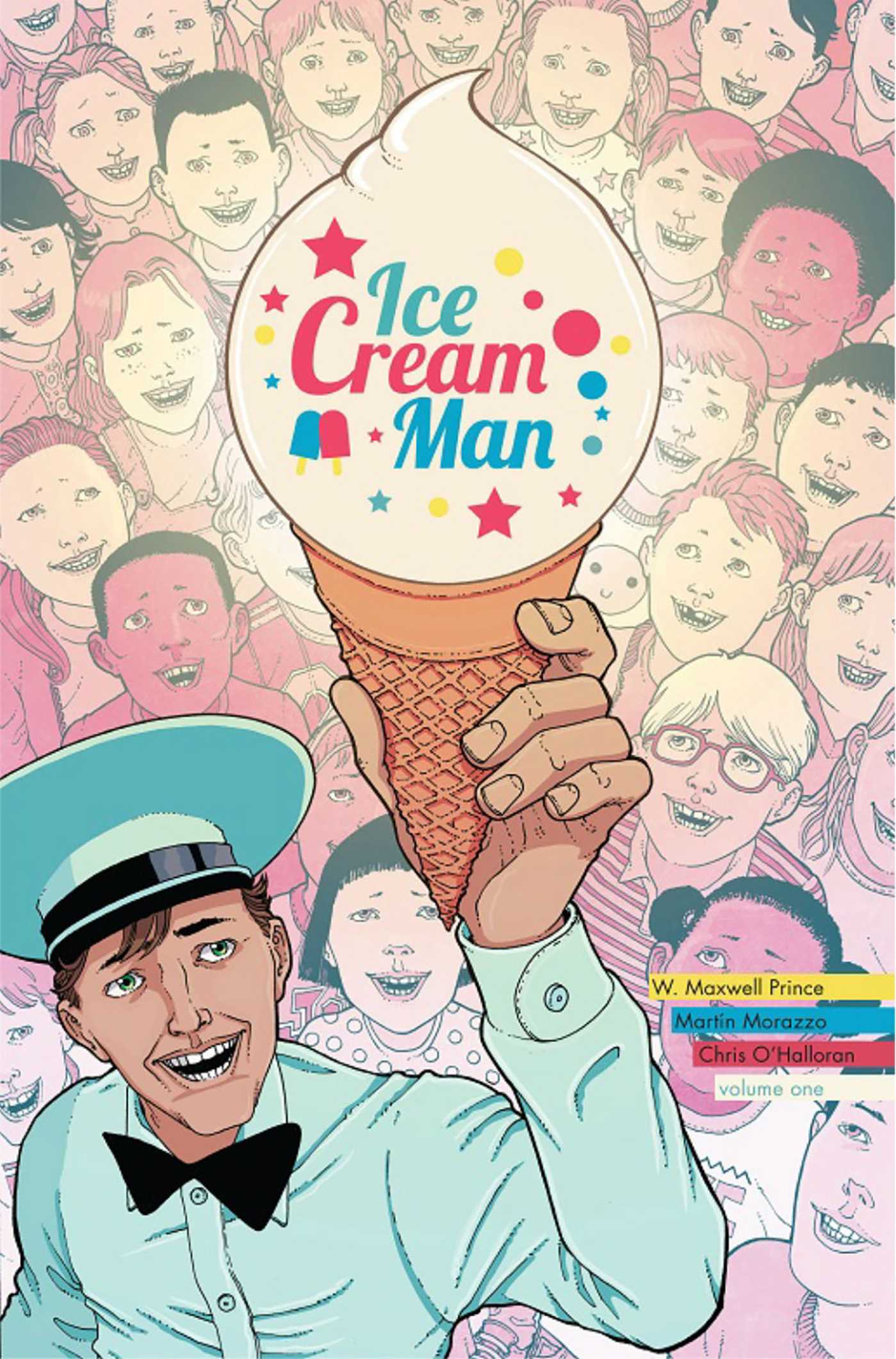
Martín Morazzo’s precise linework makes the strangest events feel solid. Bodies, faces, and ordinary objects remain readable even when what is happening to them makes no sense. You do not have to fight through visual murk to understand an unsettling image; its clarity is part of what makes it difficult to shake.
Chris O’Halloran’s colors can be bright and inviting. A neighborhood scene can almost let you settle in, and then the same colorful world gives you something you wish you had not seen. That contrast lets the horror intrude on the everyday instead of keeping it safely at a distance in a permanently shadowy setting.
The quieter panels matter just as much. A face, a posture, or someone alone in a room gives the suffering a human scale. These images make the characters worth worrying about before the spectacle arrives. Sometimes they are also the images that stay with you afterward.
Who should read it?
Try this if you want short horror stories that can leave you heartsick, or if ordinary regret unsettles you as much as body horror. The emotional bleakness is central to the recommendation. Even when the world treats these people as disposable, the attention paid to their hopes makes their suffering matter.
If you need horror to provide a dependable sense of justice, this may be a difficult fit. Its uncertainty extends to whether a character will get any relief. The compact stories are easy to begin, but that does not make them light reading.
Start with Volume One: Rainbow Sprinkles. It establishes the combination that makes the book distinctive: recognizable hurt, an unstable world, and artwork that makes the impossible painfully clear.