An invitation you would rather decline
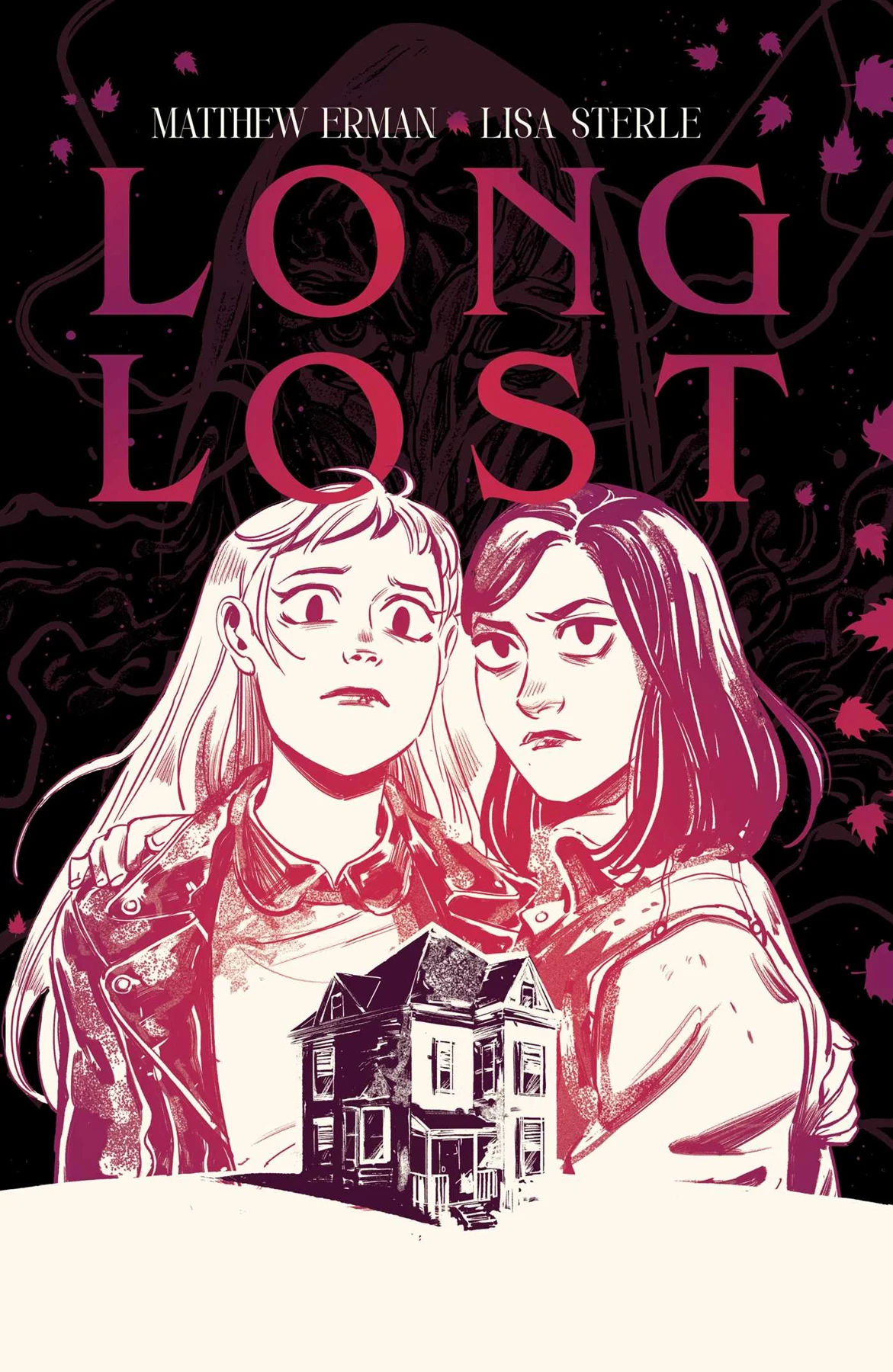
Something has taken Piper’s dog. Now a stranger in a cloak is holding out an invitation to her mother’s birthday party. Apparently, she is going home. Long Lost finds a wonderfully uncomfortable way to make an ordinary family obligation feel like a threat.
Before that visitor arrives, Piper has a little dog named Pockets, a house, and a phone she does not always answer. Frances gets worried enough to take a bus across the country to see her. The creature knows both sisters’ names, wants them back in Hazel Patch, and leaves them with a warning about the woods.
They still have to get back in the car
What pulled me in is how much trouble these two have talking to each other before anything supernatural happens. Frances wants to be close to her sister. Piper keeps pushing people away. Their journey begins with a problem that no monster needs to create.
On the drive home, Frances tries to explain what she wants: to feel appreciated, considered, acknowledged. She would like to be able to say that she is friends with her sister. You can feel how hard it is for Piper to answer.
Erman lets them interrupt each other, make jokes, get defensive, and say things they cannot quite take back. Then something horrible happens, and they still have to get back in the car together. A hooded creature delivers a terrifying invitation; Frances hits it with a stick. The humor makes the sisters feel like people you could know.
Faces you understand, woods you do not
Lisa Sterle makes both sides of the book work. A raised eyebrow or a sideways glance tells you exactly how a remark has landed. Small changes in expression let the sisters disagree without every feeling becoming an explanation.
Then Sterle puts those expressive, recognizable people somewhere you cannot make sense of. Woods crowd around them. Branches gather around old houses. Figures stand among the trees. The same attention you give a face turns into an anxious search through the landscape.
Everyday scenes use black, gray, and cream, while darker sequences sink into cold blues and greens. The changes help the familiar and the impossible coexist. Even when the surroundings become strange, the sisters’ reactions remain readable.
Remembering the same family differently
The image I keep coming back to is simpler than the creatures: two sisters sitting beside each other, trying to work out how to be in each other’s lives. They remember the same family differently. Loving someone does not mean agreeing about what happened to you.
That is why the journey matters. The creatures give it teeth, but the sisters give you a reason to follow it. Long Lost can be funny without making their hurt trivial, and frightening without letting the relationship disappear behind the spectacle.
The complete twelve-issue story is now available together in Vault’s 336-page Complete Edition. The interior examples here come from Book One. Would you go back to the place you grew up if someone you loved needed you there?