House calls for a sick world
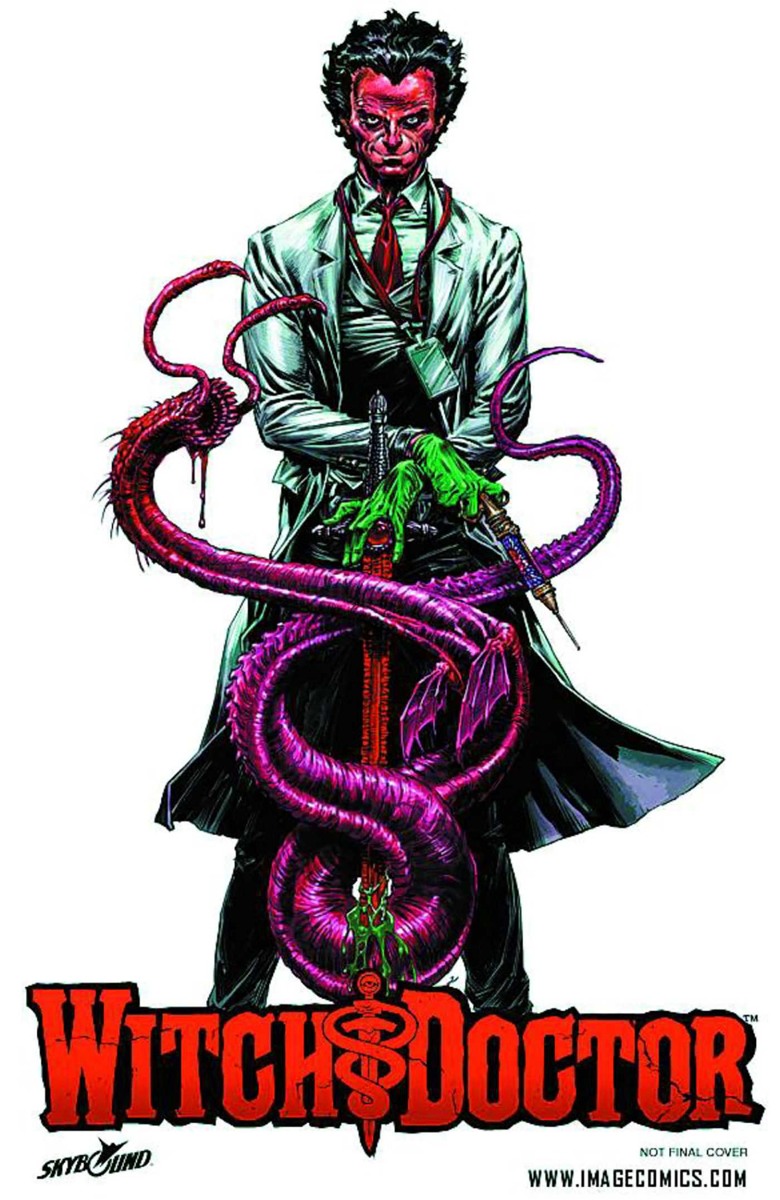
The best monster hunter for this job carries a scalpel. In Witch Doctor, the world is sick, monsters are diseases, and Dr. Vincent Morrow makes house calls.
Brandon Seifert takes that premise seriously enough to make the cases work as medical puzzles. Vampires, demonic possession, and whatever has replaced the baby in a crib all have symptoms worth examining.
Morrow has the pleasure and difficulty of a doctor who is brilliant, insufferable, and far too excited about whatever is growing inside you. The comparison with an occult Dr. House gives a useful sense of the company you will be keeping.
The symptoms are clues
The vampire case is a good example of the book’s imagination. The familiar fangs are only the visible problem. Morrow understands the creature as a parasite with a particular relationship to the body it occupies.
Once the monster has a biology, treatment becomes a question. How does it feed? What does it need? What would persuade it to leave? The fun comes from watching a diagnosis become a plan, so I would leave the details of that plan for the comic.
Figuring it out also means getting close enough to get bitten. Paramedic Eric Gast helps keep Morrow alive. Penny Dreadful is both one of his patients and his anesthesiologist, which tells you something about how this practice operates.
Anatomy you almost believe
Lukas Ketner draws the anatomy just far enough to make the horrible ideas feel workable. Mouths unfold. Organs become creatures. Something that appeared to be part of a person turns out to have a life of its own.
The drawing gives Seifert’s explanations something solid to attach to. A case can be funny and repulsive at the same time because the organism feels like something Morrow might actually examine.
That is where the series earns its appeal. The medical premise keeps producing images and practical questions. The explanation makes you more interested in looking, even when looking is an unpleasant idea.
I wish there were more appointments
By the second volume, Morrow becomes the patient. Someone deliberately infects him, and he has to work out what is eating him alive. The person who usually explains the danger has to live inside it.
The series stopped after two collected volumes. Its main cases get resolutions, but the larger questions about this world remain open. That is a real caveat if you need a fully closed series.
I would still pick it up. There is too much imagination and too much horrible biology here to pass over. I just wish there were more appointments.